


When sludge buildup affects your wastewater treatment system or septic infrastructure, you need fast, compliant, and cost-effective dewatering services. P&H Senesac provides industrial sludge removal, on-site thickening or dewatering, and coordinated transportation and disposal for non-hazardous liquid and solid waste for municipalities, manufacturers, and industrial facilities nationwide safely, efficiently, and in full compliance with environmental regulations.
Why P&H Senesac
- Rapid mobilization from our Vermont HQ, serving the entire U.S.
- Computerized mobile centrifuge systems (Maximus & Spartan) for reliable, high-throughput dewatering
- Decades of expertise and cutting-edge mobile centrifuge technology.
- Turnkey support: pumping, dewatering, transportation and disposal (or recycling) of non-hazardous liquid and solid waste
Understanding Sludge
What is Sludge?
Sludge is the semi-solid byproduct that forms when natural processes like sedimentation or processes like sedimentation or chemical precipitation remove solids from water and wastewater. It can include organic and inorganic material and may contain contaminants like human waste and industrial byproducts. In short: sludge comes from wastewater and industrial treatment or process streams, and it requires a careful removal process to protect the environment and public health.
Types of Sludge
Common sludge types we encounter include:
- Wastewater primary and secondary sludge (municipal plants)
- Drinking water sludge (coagulation/filtration residuals)
- Industrial sludge (food & beverage, semiconductor, baby-formula, and other manufacturing)
- Digester sludge and dissolved air flotation (DAF)
- Septic sludge from large sanitation systems or septic tanks associated with industrial sites
Importance of Proper Sludge Management
Improperly managing or removing sludge can lead to environmental contamination, safety risks, and regulatory exposure. A proactive plan to remove sludge, reduce sludge volume (via thickening or dewatering the sludge), and ensure proper disposal protects assets, minimizes downtime, and supports compliance with applicable environmental requirements.
Sludge Removal Services
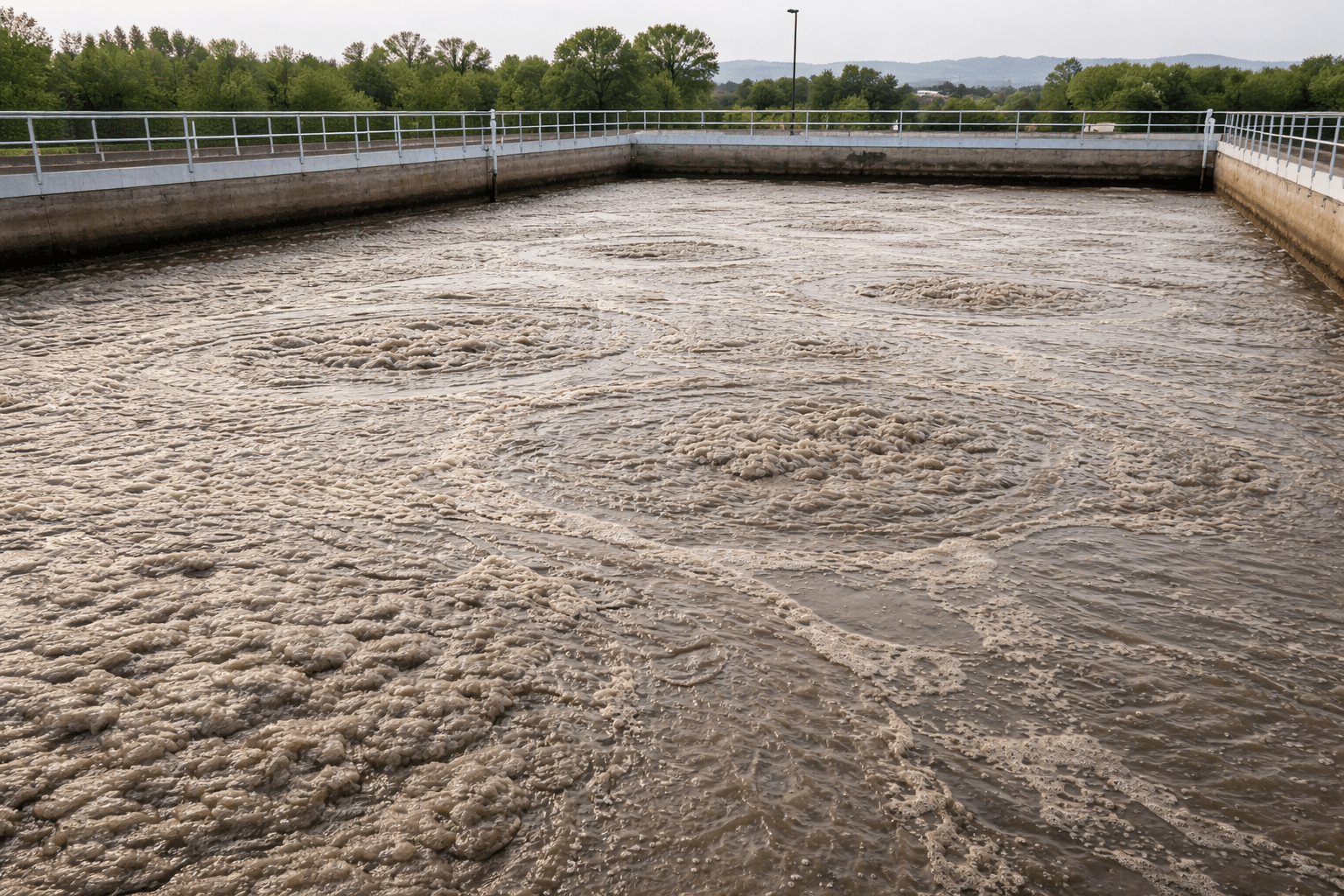
Overview of Sludge Removal Services
We deliver end-to-end sludge removal services tailored to your site:
- Decades of Proven Experience. Trusted in sludge mitigation and wastewater removal since 1985, we bring deep technical expertise to every project.
- Advanced Mobile Centrifuge Technology. Our state-of-the-art dewatering systems are fully mobile, enabling fast setup and nationwide deployment.
- Comprehensive Dewatering & Cleaning. From tanks and lagoons to digesters and ponds, we handle sludge removal, separation, and waste volume reduction.
- Rapid Response & Efficient Setup. Preconfigured systems allow minimal lead time and quick mobilization for both planned and emergency projects.
- Flexible Rental Options. Short- and long-term equipment rentals provide cost-effective solutions for municipal, industrial, and construction applications.
- Proven Across Industries. Serving wastewater and drinking water plants, food and beverage facilities, breweries, baby food manufacturers, and semiconductor plants.
Professional Sludge Removal Techniques
Our professional sludge removal “pro services” combine:
- Centrifuge dewatering (Maximus & Spartan systems) with automated controls for steady cake solids
- Polymer optimization and inline instrumentation to stabilize feed variability
- Tank/digester mixing and dredging support to keep production on-line
- Safe entry procedures for confined and challenging environments
This comprehensive approach to sludge processing is built to handle liquid and solid phases across lagoons, ponds, digesters, clarifiers, and industrial sumps.
Benefits of Hiring Sludge Removal Services
- Lower disposal costs: dewatered solids mean fewer loads and simplified disposal methods
- Operational continuity: keep the treatment process running while we work in parallel
- Risk reduction: proactively treat contamination in wastewater streams before it escalates
- Regulatory confidence: documentation to support environmental compliance and reporting needs
Sludge Disposal Methods
Common Sludge Disposal Methods
Depending on your permit and waste profile, we coordinate:
- Landfill disposal for qualified non-hazardous cake
- Disposal or recycling options (e.g., composting, beneficial use) where approved
- Return of filtrate/centrate to the wastewater treatment system per site SOPs
For facilities “disposing of sludge,” we manage the chain of custody and ensure proper sludge classification and manifests through to final disposition.
Innovative Disposal Techniques
Our mobile units emphasize the process of thickening sludge and high-efficiency dewatering. By removing water at the source, we cut haul miles and emissions and open up more economical, environmentally safe and conscious outlets for solids.
Environmental Impact of Disposal Methods
Every sludge removal method has trade-offs. Our team helps you compare primary methods of sludge removal and disposal to minimize environmental footprint, protect environment and public health, and meet environmental laws and local permitting.
Industrial Cleaning and Waste Management
Role of Industrial Cleaning in Sludge Management
Effective industrial cleaning—from tank/digester cleanouts to lagoon dredging—keeps treatment systems or septic tank assets performing. Removing waste sludge and residues reduces corrosion, odors, and emergency shutdown risk.
Best Practices for Waste Management
- Upfront jar tests and polymer selection to stabilize cake
- Segregation of hazardous and non-hazardous material waste
- Clear SOPs for transportation and disposal logistics
- Preventive schedules so sludge is removed before it impacts throughput
Case Studies & Successes
Successful Sludge Removal Projects
- Food processing plant: On-site dewatering of organic and inorganic sludge stabilized production and cut hauling frequency.
- Municipal digester: Centrifuge dewatering enabled an inspection and repair window without plant downtime.
- Drinking water plant: Thickening or dewatering the sludge improved solids handling and reduced off-site trips.
Lessons Learned from Industrial Sludge Disposal
Early waste profiling and small-scale polymer trials reduce surprises. Planning polymer, water access, and vacuum truck staging upstream pays off with smoother throughput and lower costs.
Future Trends in Sludge Management
Expect continued movement toward resource recovery, data-driven optimization, and tighter integration between waste management and production planning—so you can capture more value of sludge while staying in compliance.
Why Facilities Choose P&H Senesac
Serving municipal and industrial clients since 1985, P&H Senesac combines mobile centrifuge technology with rapid response and experienced operators to deliver reliable sludge removal and dewatering services nationwide.
Ready to remove sludge—safely and efficiently?
Whether you’re facing routine maintenance, emergency response, or a major project at wastewater treatment plants or industrial facilities, our team can help you reduce sludge volume, control costs, and stay compliant.
Call P&H Senesac or request a quote today.